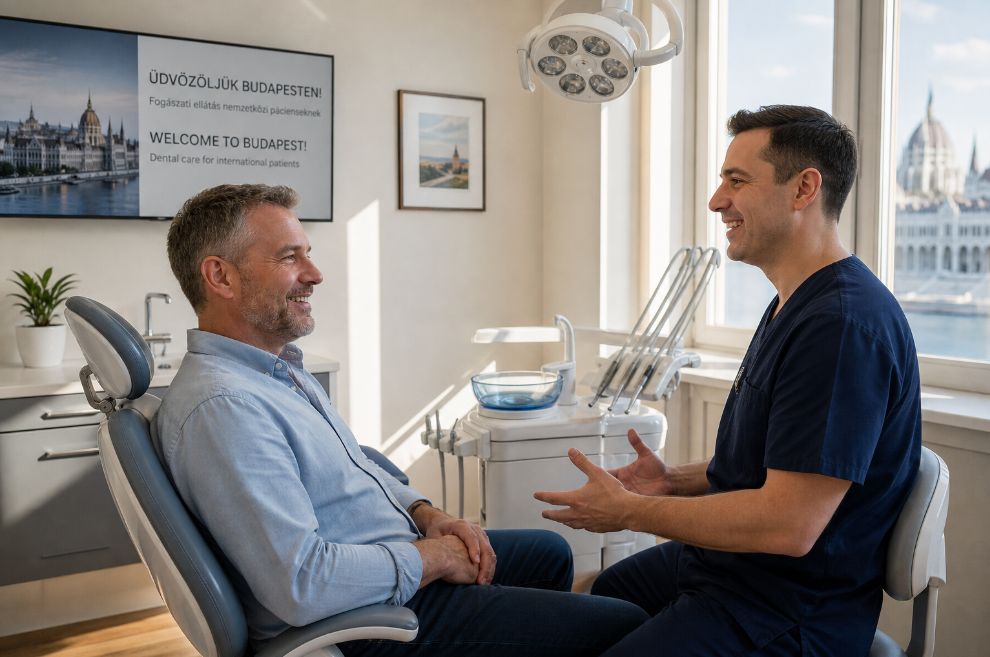
UK patients are travelling abroad for dental treatment in huge numbers, tempted by low prices, package deals and the promise of a “new smile in one week”. For some, it works well – but for many, the experience includes hidden costs, aggressive treatments, complications and very little help once they get home. Understanding the real pitfalls of dental tourism is the first step to protecting your health and money, and choosing safer, more ethical options such as reputable clinics in Budapest like La Porta Dental.
Below is a detailed, patient‑friendly guide to the most common risks and how to avoid malpractice and scams when you go abroad for dental care.
Why dental tourism can be risky for UK patients
The appeal is obvious: quotes that look 50–70% lower than private dentistry at home, sunshine, hotels and glossy “before and after” photos. The problem is that many popular dental tourism hotspots are built around a sales model rather than a healthcare model, with clinics competing on price and speed instead of long‑term quality.
That can lead to:
-
Over‑treatment: more invasive work than you actually need
-
Rushed procedures: complex dentistry squeezed into a holiday schedule
-
Poor communication: you never fully understand the risks or alternatives
-
Weak protection: very little legal or practical recourse when things go wrong
What looks like a bargain on paper can easily turn into years of corrective treatment and a much higher final cost than if you had chosen carefully from the start.
Sales tricks and non‑transparent pricing
Salespeople instead of dentists
In many dental tourism clinics, the first “consultation” is not with a dentist but with a sales coordinator. These coordinators are trained to handle enquiries, build trust and, ultimately, close the deal – but they are not responsible for your clinical outcome.
Common warning signs include:
-
Very quick agreement that you “definitely need” a full smile makeover based on photos alone
-
No detailed discussion of your medical history, gum health or bite
-
Strong focus on the cosmetic result and price, not on long‑term function
By the time you meet the dentist, you may already feel committed because you have booked flights, paid a deposit and told friends and family you are getting your new smile abroad.
High‑pressure “today only” offers
Another common tactic is the urgent, time‑limited discount: “If you book this week, you save 50%,” or “While you are here, we can do your whole mouth for this price.” These offers are designed to stop you pausing, thinking or seeking a second opinion.
When you have already spent money on travel, hotel and time off work, it becomes much harder to walk away – even if your instinct tells you to slow down.
The problem with “from” prices
Adverts often highlight eye‑catching “from” prices for implants, veneers or crowns. What many patients discover is that the real total bill is far higher once they arrive at the clinic. Extra fees commonly appear for:
-
Extractions and root canals
-
Bone grafts and sinus lifts
-
Temporary crowns or dentures
-
Upgraded materials or brands
-
Extra nights if healing takes longer
Without a detailed written plan and itemised quote before you travel, it is very difficult to compare offers fairly or budget realistically.
Clinical pitfalls: when a cheap smile costs your teeth
Over‑aggressive tooth cutting
One of the most serious issues linked with dental tourism is over‑preparation of healthy teeth, especially for crowns and “Hollywood smile” makeovers. To achieve a quick cosmetic transformation, some clinics shave teeth down into small pegs so crowns can be fitted quickly and uniformly.
This aggressive approach can:
-
Damage or kill the nerve inside the tooth
-
Cause severe sensitivity and pain
-
Lead to future root canals or extractions
-
Shorten the lifespan of your natural teeth
Once a tooth has been extensively drilled for a crown, there is no way to put that tooth structure back. You are committed to replacements and further work for life.
Rushed treatment schedules
Complex treatments such as multiple implants, full‑arch bridges or extensive crown work are often compressed into a single short trip. What might be done in stages over months in the UK is crammed into a handful of days to fit your travel itinerary.
Rushing increases the risk of:
-
Poor planning of bite and function
-
Inadequate healing time between stages
-
Temporary solutions being used as final work because there is no time for adjustments
Speed may be good for a holiday, but it is rarely good for complex medical treatment.
High‑risk “instant” implant solutions
Basal or cortical implants and immediate full‑arch restorations are heavily marketed to international patients as a way to get fixed teeth fast. In the right hands and for the right patient, these techniques can be useful – but they are not a magic shortcut.
If your clinic skips careful diagnostics, sidelines gum treatment or ignores bite issues, early failure and infections become much more likely. Repairing failed implants and badly designed bridges later can be far more complex and expensive than doing careful, staged treatment from the start.
Infections and hygiene lapses
Standards of infection control are not the same everywhere. Some clinics maintain excellent protocols; others cut corners to save time and money. If instruments are not properly sterilised or surgery is not performed under strict hygiene conditions, the risk of infection rises sharply.
Post‑operative infections around implants or extraction sites can lead to:
-
Pain, swelling and abscesses
-
Loss of the implant or tooth
-
Need for further surgery and bone grafting
These complications often surface after you have flown back to the UK, when the operating dentist is no longer easily accessible.
Communication, consent and misunderstanding
Inadequate informed consent
True informed consent means you understand what will be done, why it is needed, what alternative options exist and what the main risks are. In some dental tourism settings, consent is treated as a formality rather than a meaningful conversation.
You may be handed a form in another language, given a brief summary and asked to sign. Complex issues such as nerve injury, long‑term maintenance, potential complications and realistic lifespan of your restorations may be skimmed over or not discussed at all.
Language barriers
Even where some English is spoken, subtle details can be lost. Misunderstandings around terms such as “veneer” vs “crown”, “temporary” vs “permanent” or “optional” vs “necessary” are common.
If you do not feel fully clear and comfortable about what is planned, it is harder to make good decisions – and much harder to challenge the clinic later if you feel misled.
Aftercare, continuity and legal recourse
No real continuity of care
Dental work rarely ends on the day you leave the chair. Adjustments, checks and longer‑term reviews are crucial to success. Many dental tourists are cleared to fly home very soon after major procedures such as multiple implants, sinus lifts or full‑mouth reconstructions.
When problems appear days or weeks later – such as pain, swelling, gum infection, bite issues or loose work – you may have no practical way to see the original dentist.
UK dentists are often cautious about taking over complex foreign cases, especially when they do not have full records or disagree with the treatment choices that were made. This can leave you stuck between a distant clinic and a reluctant local practitioner.
“Warranties” that are hard to use
Many clinics advertise generous guarantees on implants and crowns. In practice, these warranties often:
-
Require you to travel back at your own cost
-
Cover only treatment at the original clinic, not at home
-
Exclude many complications by blaming “patient factors” such as smoking or hygiene
The result is that the warranty looks good in marketing but is very hard to benefit from in real life.
Limited legal recourse
If you are treated abroad, your dental care is governed by the laws and regulators in that country, not by UK authorities. Standards and complaint systems vary widely, and in many places it is difficult and costly for foreign patients to pursue a claim.
To sue for negligence abroad, you usually need:
-
Local legal representation
-
Translated records and expert reports
-
Time and money to pursue a claim in a foreign system
For most people, the cost and stress are simply not worth it, meaning that malpractice often goes unchallenged.
How to avoid malpractice and scams abroad
Despite these risks, it is possible to have safe, successful dental treatment abroad if you choose carefully and protect yourself. Here are practical steps that drastically reduce your chances of being scammed or badly treated.
1. Start with your health, not the price
Ask yourself:
-
What do I actually need – pain relief, function, aesthetics, or all three?
-
Has a UK dentist given me a diagnosis and a written treatment plan?
Use that as a baseline when you speak to clinics abroad. Be wary of any clinic that suggests radically different treatment (for example, full‑mouth crowns on every tooth) without clearly explaining why.
2. Demand a detailed written treatment plan
Before you pay any deposit or book flights, insist on:
-
A clear diagnosis and explanation of your problems
-
A tooth‑by‑tooth or implant‑by‑implant plan
-
Named materials and brands for implants, crowns or veneers
-
A realistic timeline, including how many visits are needed
This protects you against vague “package” deals and hidden extras, and lets you compare options fairly.
3. Check the clinic’s track record and focus
Look for:
-
Years of operation in dental tourism, not a new clinic chasing quick profit
-
Evidence of ongoing professional development and membership in respected dental organisations
-
Consistent reviews from real international patients
A clinic with a long history is far less likely to gamble with your outcome because its reputation has been built over time.
4. Avoid pressure and “now or never” decisions
Any clinic that pressures you to decide immediately, especially about irreversible work, should raise alarm bells. Take time to think, ask questions and get a second opinion if needed. If you feel rushed, step back.
5. Prioritise communication and language support
Choose a clinic that can communicate clearly in English (or your preferred language) and encourages questions. Clear communication reduces misunderstandings and ensures you truly understand the treatment, risks and aftercare.
6. Plan for aftercare and emergencies
Ask in advance:
-
What aftercare is included during your stay?
-
How are complications handled once you are home?
-
Will you receive detailed records to share with your UK dentist?
Factor in the cost and practicality of returning if adjustments are needed. Destinations closer to the UK with reliable flight links make this much easier.
Why Budapest is a safer choice than many “bargain” destinations
Budapest has become one of Europe’s most respected centres for dental tourism, attracting patients from the UK and across the continent. Compared with some ultra‑cheap markets, it offers a more balanced equation:
-
Prices that are typically much lower than UK private fees and often close to or slightly above the lowest destinations
-
Clinics operating within an EU framework, with modern standards of care and infection control
-
Shorter flights and more convenient repeat visits, making follow‑up more realistic
For UK patients, this combination often means better long‑term value and fewer surprises.
La Porta Dental: a top recommendation for safe dental tourism
Among Budapest clinics, La Porta Dental stands out as a strong recommendation for UK patients who want to avoid malpractice and scams while still benefiting from fair prices and high‑quality care.
Two decades of experience with international patients
La Porta Dental has around 20 years of experience in dental tourism, treating patients from the UK and many other countries. That longevity matters because it shows:
-
A sustained commitment to international standards
-
Refined protocols based on long‑term outcomes
-
A reputation built on real patient experiences, not just marketing
Clinics that have been supporting overseas patients for many years tend to take a more cautious and ethical approach, knowing that word of mouth and trust are critical.
Multilingual service and clear explanations
Language and communication are core strengths at La Porta Dental. The team is used to working with English‑speaking patients and can explain diagnoses, options, risks and aftercare clearly.
This reduces common problems such as signing unclear consent forms or misunderstanding what “full‑mouth restoration” actually involves. Patients report feeling more involved in decision‑making and better able to ask questions and express concerns.
Clinical expertise, not sales pressure
La Porta Dental is led by clinicians, not sales staff. The focus is on:
-
Careful assessment, including imaging and full oral examination
-
Conservative treatment planning that protects as much natural tooth as possible
-
Realistic timelines that give your body time to heal
Instead of pushing full‑mouth crowns or extreme makeovers for every case, the team works to find the right balance between aesthetics, function and long‑term health. This approach helps you avoid the over‑treatment and aggressive drilling that cause so many problems in high‑volume tourist clinics.
Understanding the needs and worries of UK patients
After many years of treating people from the UK, La Porta Dental understands the context you are coming from:
-
Frustration with waiting lists or high prices at home
-
Anxiety about stories of “Turkey teeth gone wrong”
-
The need for clear pricing, honesty and reliable aftercare
Treatment plans are tailored to your priorities and budget, with transparent pricing and a clear structure for follow‑up appointments. The clinic is also used to cooperating with dentists in your home country by providing detailed records you can share for ongoing maintenance.
Mid‑range prices with high standards
La Porta Dental positions itself in a mid‑range price bracket:
-
More affordable than typical UK private practices
-
Competitive with popular dental tourism destinations
-
Without cutting corners on materials, time or safety
For many UK patients, this provides the best balance – real financial savings and quality that feels closer to home than the cheapest “all‑inclusive” offers elsewhere.
Bringing it all together: how to choose safely
If you are considering dental treatment abroad, think of yourself not as a tourist buying a package but as a patient choosing a healthcare provider. To avoid malpractice and scams:
-
Treat ultra‑low prices and hard selling as red flags, not bargains
-
Demand detailed plans, clear communication and realistic timelines
-
Favour experienced clinics in stable, regulated environments
-
Choose locations where follow‑up care and repeat visits are practical
-
Consider trusted clinics in Budapest, such as La Porta Dental, that combine experience, fair pricing and patient‑centred care
By taking these steps, you can significantly reduce your risk and increase your chances of a safe, satisfying and long‑lasting result.
If you imagine you are a cautious UK patient reading this, which part of the decision feels hardest right now: trusting the clinic, understanding the treatment, or weighing price against safety?